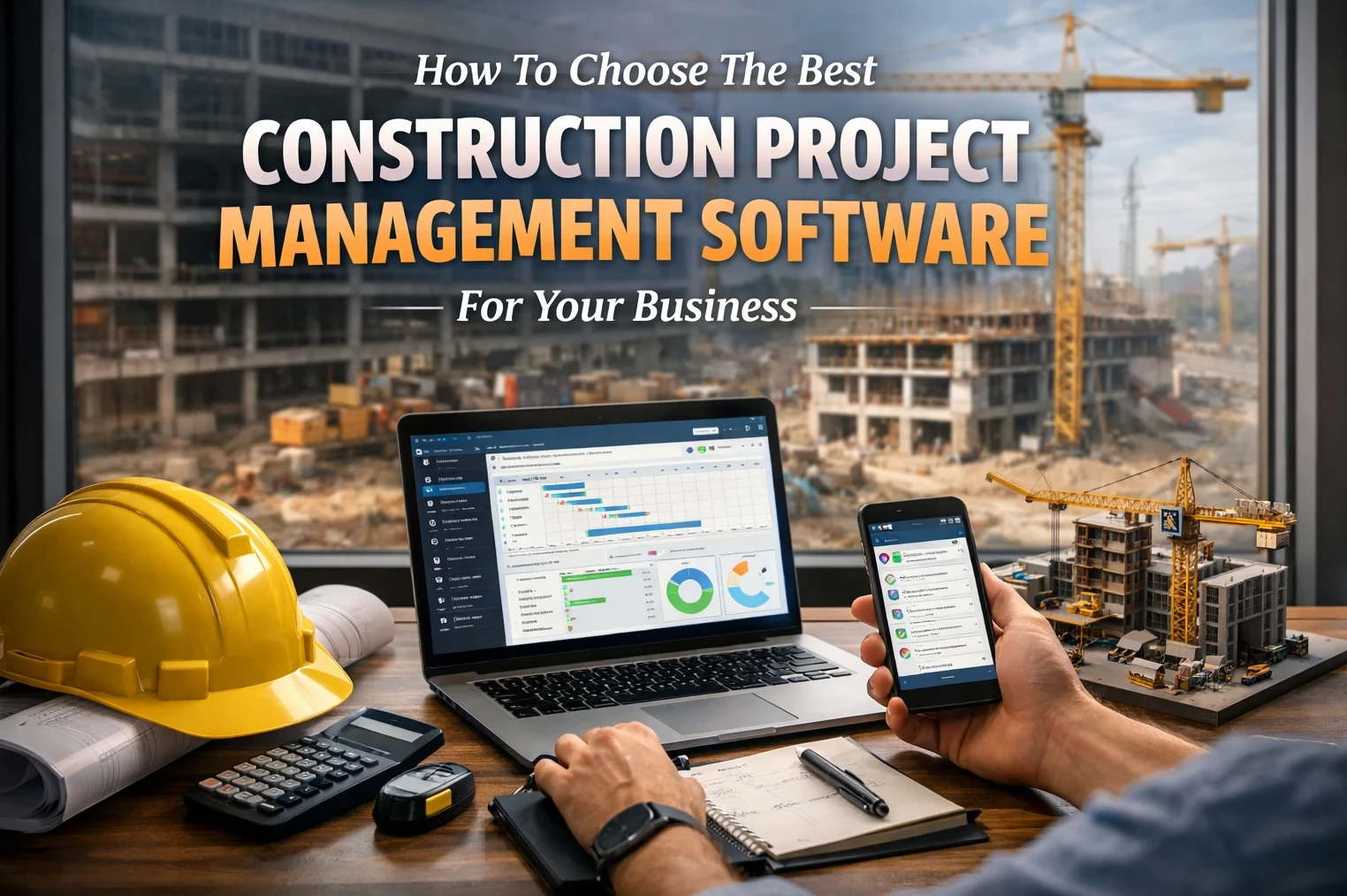
 When you think of construction project management software, picture it as the digital toolbox for your projects. This type of software is all about bringing efficiency, organization, and control to the chaos that can sometimes feel like construction management. With a solid software behind you, handling everything from project planning and resource allocation to communication and documentation becomes more manageable.
So why is this software a game-changer? It’s primarily about boosting productivity and minimizing errors. With real-time data and seamless team collaboration features, it wraps everything into one accessible platform. Plus, it simplifies complex tasks and saves valuable time—time that can be redirected towards more strategic endeavors.
Now, different businesses have different needs. A small company might look for software that offers cost-effectiveness and user-friendliness, whereas a large enterprise might need advanced integrations and extensive analytics features. Either way, identifying your business needs is crucial because what works for a massive corporation might not be suitable for a niche contractor.
Also, keep an eye out for the software’s compatibility with the systems you already have in place. If it doesn’t play well with your current tech, it could lead to unnecessary headaches and extra costs. Ultimately, the goal is to find a software solution that’s a good fit, not just a flashy tool that gathers dust.
Evaluating Popular Construction Management Software Options
Checking out the top contenders in construction management software is essential to find the right match for your business. Each software shines in its own way, bringing unique strengths to the table. Getting familiar with these options can help you make a more informed decision.
So, which software is best for construction project management? Names like Procore, PlanGrid, and Buildertrend often pop up at the top of the list. Procore, for example, is known for its user-friendly interface and comprehensive project tracking capabilities. PlanGrid excels with its robust drawing management tools that make real-time collaboration a breeze. Buildertrend, on the other hand, is favored by many for its focus on homebuilders and remodelers.
For smaller businesses, affordability and ease of use are key. Software like CoConstruct often fits the bill, providing essential features without overwhelming complexities or high costs. This helps small teams stay organized without investing in steep learning curves or expansive resources.
User reviews and case studies are goldmines for spotting how well a software works in real-world scenarios. Hearing about success stories—or, sometimes more importantly, the pitfalls others have faced—can provide valuable insight into whether a particular software might align well with your business needs. Keep an eye out for testimonials that highlight both strengths and weaknesses, giving you a rounded view of what each offering can truly deliver.
Selecting the Right Software for Your Business
Finding the right construction project management software isn’t just about ticking boxes on a feature list. It’s about aligning your choice with the goals and unique demands of your business. This is where key criteria come into play, ensuring the software truly fits your work style and objectives.
When asking how to choose the best project management software, start by identifying the must-have features that address your specific project needs. Whether it’s resource management, strong reporting analytics, or robust communication tools, your chosen software should bolster your core operations.
Customization and scalability are other crucial aspects to look out for. Over time, as your business grows and evolves, the software should adapt alongside. A flexible solution ensures that you’re not locked into a system that feels outdated or too restrictive as your needs change.
Aligning software with your business goals isn’t just a technical decision—it’s strategic. Consider factors like ease of use and how intuitive the user interface might be for your team. The best tools are those that become second nature, minimizing disruptions and maximizing productivity.
Focusing on Scheduling Needs: The Best Tools for Success
Effective scheduling is the backbone of any construction project, ensuring tasks are completed on time and resources are allocated efficiently. The right scheduling software can transform how you manage timelines, track progress, and coordinate with teams.
When choosing the best scheduling software for your construction projects, look for tools that offer features like Gantt charts, task dependencies, and resource allocation. These features allow for a clear visual representation of the project timeline and help in identifying potential bottlenecks before they become roadblocks.
Popular tools like Microsoft Project and Primavera P6 are often praised for their comprehensive scheduling capabilities, but they can be complex and better suited to larger enterprises. For smaller teams, a tool like Smartsheet or Asana might provide the simplicity and flexibility needed without a steep learning curve.
Efficiency gains from using scheduling tools can be substantial. They not only improve day-to-day operations but also enhance communication with stakeholders by providing updates and highlighting critical project milestones.
Check for trial versions or demos to get a feel for the user interface and functionalities. This hands-on approach can be crucial in selecting a tool that feels intuitive and aligns with your way of working, ensuring smooth adoption across your team.
Understanding the Construction Process: The 7 Stages
Managing a construction project involves navigating through the seven key stages, from inception to completion. Each phase has its own set of challenges and software needs that can substantially influence project success.
The first stage, project conception, involves defining the project scope and objectives. During this phase, having access to reliable planning tools is beneficial in mapping out the initial groundwork. Once you move into the design phase, effective document management becomes crucial. Tools that facilitate easy sharing and editing of architectural designs and blueprints can streamline collaboration between architects and engineers.
The pre-construction stage focuses on preparing all logistics and resources. Using software to manage procurement, scheduling, and budgeting is vital here. For project initiation and construction, progress tracking tools and real-time collaboration platforms ensure that everyone stays on the same page and issues are addressed promptly.
When approaching the close-out stage, having a solid record of all project documents and approvals consolidated in one place is highly advantageous. Software that helps compile this information can streamline wrap-up activities, ensuring a smooth transition to the operation phase where facilities are handed over for use.
Considering the top project management tools like Procore and Buildertrend across these phases ensures that each phase is expertly managed. Aligning software features with these stages can help overcome common hurdles and enhance project efficiency.