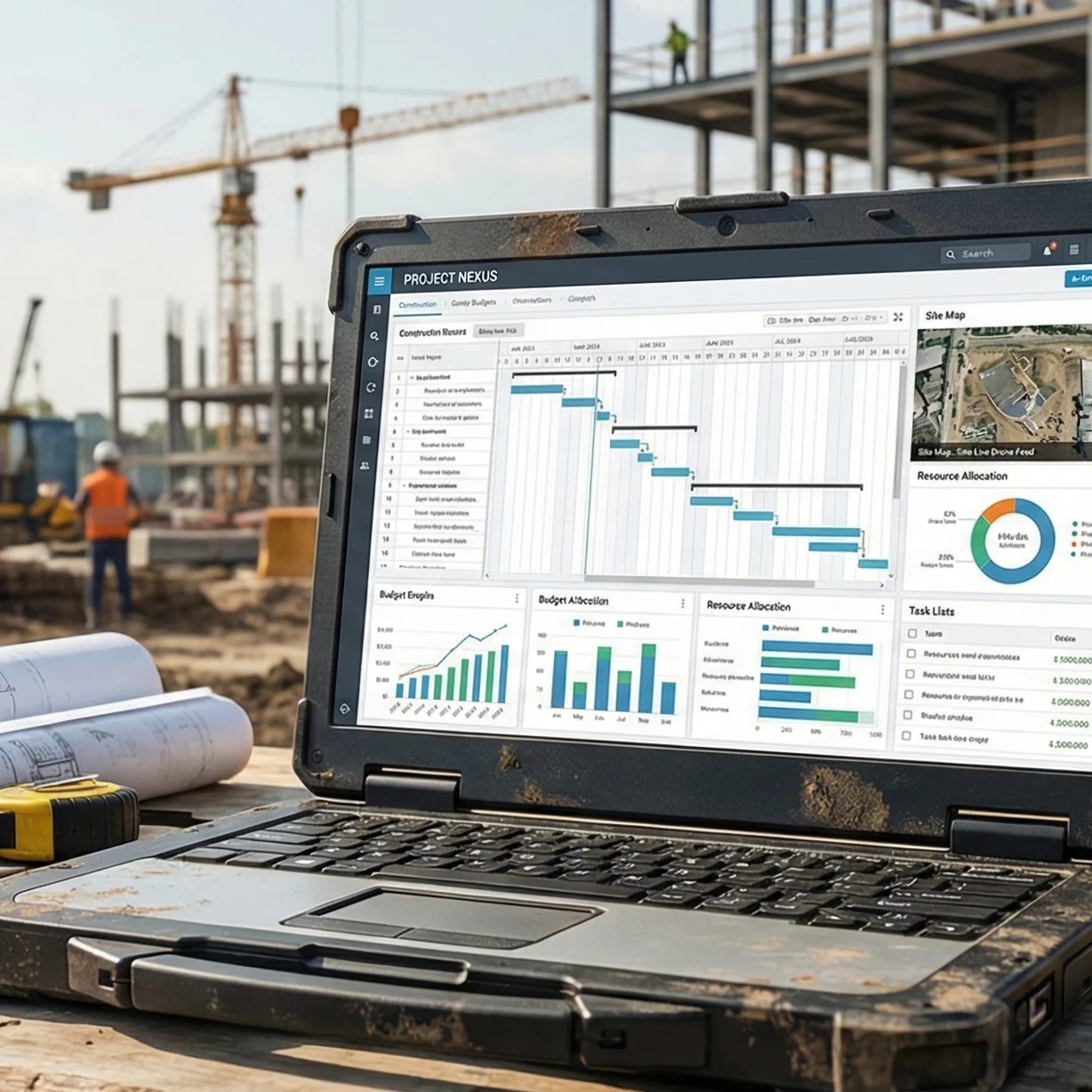
Construction project management software is like your digital foreman, streamlining everything from planning to execution. This software bridges the gap between chaotic spreadsheets and seamless digital workflows, cutting down on the constant chaos. Instead of wrestling with papers and manually updating project timelines, well-designed software lets you automate many tasks, making life easier.
This isn’t just some newfangled trend, either. The roots of project management tools go way back to the time when building a project meant manually scribbling on blueprints. Over the years, tech evolution has tailored these tools to fit the unique demands of the construction industry, increasing efficiency and precision.
With the pressures of juggling budgets, timelines, and resources growing, technology plays a pivotal role in construction management today. By turning to specialized software, project managers can keep an eagle eye on myriad tasks. From assigning jobs to tracking expenses and communicating with the team on-site, these tools are indispensable, giving a competitive edge in an increasingly digital world.
Understanding Your Needs: The First Step in Choosing the Right Software
You gotta start by figuring out exactly what challenges your construction projects face day-to-day. This means breaking down whether your biggest headaches come from scheduling, budget overruns, or maybe even from coordinating with teams in different locations. Knowing your weak spots helps in hunting down the right software that tackles these issues head-on, almost like having a personalized assistant.
Picking the right software isn’t just about grabbing the flashiest option out there. It’s crucial to ensure the software aligns with your overall business goals. Whether you’re aiming to speed up project delivery times or you want tighter control over budget and resources, the software should act as a direct support to these objectives.
Every construction project has its own vibe, depending on its type and scale. From residential builds to massive infrastructure ventures, the software needs to adapt to the project’s unique requirements. Larger projects might need robust integration with current tools, while smaller ones might benefit from streamlined features like simple task management.
Keep in mind, your software needs to scale with your business. So if you’re looking to expand in the future, ensure that you choose a solution that can grow right along with you. Most importantly, think of the software as an investment rather than an expense, setting you up for smoother operations down the line.
Key Features to Consider When Selecting a Software
Choosing the right construction project management software means diving into the features that truly matter. At the top of that list? Gantt charts and task management tools that streamline the way you plan and execute projects. These features help visually map out the phases of your project, ensuring everyone knows what’s on the agenda and when deadlines hit.
Budgeting tools tailored for construction are another must-have. They help in tracking every dollar, making sure you stick to financial plans like glue. A good software helps identify overruns early so corrective measures prevent costs from spiraling out of control.
Real-time mobile access is crucial because, let’s face it, construction doesn’t happen at the desk. Being able to update tasks on-the-go ensures field teams stay in the loop, drastically cutting down miscommunications. You can wave goodbye to long email threads and welcome real-time updates.
Integration capabilities can’t be overlooked. Whether it’s syncing with your accounting software or linking up with communication apps like Slack, seamless integration saves time and reduces the chance of human error. It allows your team to function more like a well-oiled machine, rather than isolated departments.
Making an Informed Decision: Evaluating Pricing and Ease of Use
Deciding on construction project management software isn’t just about what’s cool or trendy — it’s about smart investments. Pricing models vary; some software charges a one-time fee, while others operate on a subscription basis. You gotta weigh these against potential returns on investment, considering how the tool might save time and money down the line.
Ease of use can’t take a backseat in your decision-making process. An intuitive interface means less time spent figuring out how to use it and more time actually managing projects. The goal is to simplify tasks, not complicate them further. That’s where the importance of user-friendliness comes into play.
Trial versions are often worth exploring. Many providers offer demos or trial periods, letting you experience the software firsthand. This is your chance to test-drive the software in a real-world scenario without fully committing. It’s kind of like kicking the tires before buying a car, ensuring it’s comfortable and meets your needs.
Don’t forget about hidden costs, like additional training or feature add-ons. What seems cheap upfront might turn out costly when you factor in these extras. Transparency in pricing helps avoid budget surprises, allowing you to confidently invest in a tool that fits both your budget and business model.
Gauging Reliability: Importance of Customer Support and Training
Reliable customer support can make or break your experience with construction management software. Whether it’s 24/7 availability or just weekday office hours, the ability to reach out for help when needed is crucial. Imagine hitting a snag during a peak project phase and not being able to reach support—that’s a nightmare you don’t want.
Training resources are your best friends when getting the team up to speed. Look for software providers that offer comprehensive onboarding guides, webinars, or even in-person training sessions. These resources help you and your crew master the software quickly, minimizing disruptions to ongoing projects.
User reviews and testimonials can be goldmines for insider perspectives. They provide you with real experiences from others in the industry who have faced similar challenges. However, it’s essential to critically assess these reviews, separating genuine feedback from overly promotional ones.
Finally, consider the long-term support. Investing in software isn’t just about immediate needs but ensuring that the tool remains useful as technology evolves. Consistent updates and improvements show that a provider is committed to maintaining and enhancing their product, keeping your operations ahead of the curve.
Conclusion: Making the Right Choice for Your Business
Choosing the right construction project management software isn’t just a one-time decision—it’s a step towards optimizing your entire operation. By aligning software choices with your specific project needs and business goals, you’re setting up for smoother, more efficient workflows.
Future-proofing your investment means picking a solution that’s not just ready for today’s challenges but also adaptable to tomorrow’s technological changes. Look for tools that evolve with industry dynamics, ensuring long-term value.
Investing in the right software boosts your ability to deliver on projects, manage time effectively, and control budgets, essentially positioning your business as an industry leader. So stay curious, stay informed, and be willing to adapt as new tech innovations come along.
With these strategic decisions under your belt, you’re not just choosing software; you’re embracing a tool that supports growth and success in the fast-paced world of construction.