
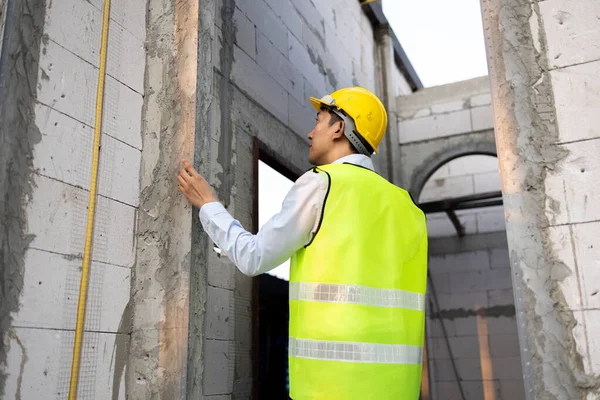
Construction projects are renowned for budget overruns. What starts as a carefully planned budget can quickly spiral out of control without proper management strategies. This guide provides practical approaches to construction budget management that help keep your projects financially healthy.
Effective budget management is more than just tracking expenses. It requires proactive planning, continuous monitoring, and the ability to make quick adjustments when circumstances change.
The Foundation of Construction Budgeting
Every successful construction project begins with a well-structured budget. This budget serves as your financial roadmap throughout the project lifecycle. Understanding the components that make up a comprehensive construction budget is essential.
Pre-Construction Costs
Before physical work begins, significant expenses accumulate. These include design and engineering fees, permit costs, site surveys, soil testing, and insurance premiums. Many project managers underestimate these pre-construction costs, leading to initial budget strain.
Include a contingency for pre-construction phase expenses, typically 5-10% of the estimated amount. This buffer accommodates unexpected discoveries or requirement changes that often emerge during the planning stage.
Hard Costs vs. Soft Costs
Construction budgets divide into two primary categories:
- Hard costs include materials, labor, equipment, and subcontractor fees directly related to physical construction. These typically represent 70-85% of total project costs.
- Soft costs encompass design, engineering, permits, insurance, financing, and project management fees. While smaller in percentage, these costs still require careful tracking.
Creating Accurate Cost Estimates
Accurate estimates form the backbone of effective budget management. Overly optimistic estimates create problems down the line, while overly conservative estimates may price you out of competitions.
Historical Data Analysis
Past project data provides invaluable insights for creating accurate estimates. Analyze completed projects to identify patterns in cost overruns, frequently underestimated line items, and productivity rates for different work types.
Maintain detailed records of actual vs. estimated costs for each project category. This historical analysis enables continuous improvement in your estimating processes.
Include Contingencies Wisely
Contingencies exist to address the unknown. However, how you handle contingencies significantly impacts budget management effectiveness. Consider these approaches:
- Design contingency – 5-10% for changes during design development
- Construction contingency – 5-15% for unforeseen conditions during construction
- Owner contingency – 10-20% for owner-initiated changes
Tracking Expenses in Real-Time
Waiting until month-end to review financial status leaves no room for corrective action. Effective budget management requires real-time expense tracking that provides immediate visibility into project financial health.
Weekly Budget Reviews
Conduct weekly budget reviews that compare actual expenditures to date against the projected budget. These reviews should identify:
- Line items approaching budget limits
- Variances requiring investigation
- Trending patterns indicating potential overruns
- Change orders affecting the budget
Cost Coding Systems
Implement a consistent cost coding system that enables detailed expense tracking. Each expense should be coded to the appropriate project, phase, and cost category. This coding enables meaningful analysis and accurate forecasting.
Ensure all team members understand and consistently use the cost coding system. Inconsistent coding undermines the quality of your financial data.
Managing Change Orders
Change orders represent one of the most significant challenges to construction budget management. While some change is inevitable, uncontrolled change destroys project budgets.
Establish Clear Change Order Processes
Create formal procedures for requesting, reviewing, and approving change orders. Every change should be documented with:
- Detailed description of the proposed change
- Cost impact analysis
- Schedule impact assessment
- Approval from authorized personnel
Communicate Impacts Immediately
When change orders emerge, communicate their financial impact to all stakeholders immediately. Delays in communicating change order impacts lead to unpleasant surprises and erode stakeholder confidence.
Cash Flow Management
Construction projects require careful cash flow management to maintain operations. Even profitable projects can experience cash flow problems if timing mismatches occur between expenses and income.
Payment Schedule Optimization
Structure payment schedules to maintain positive cash flow. This might involve negotiating advance payments for materials, aligning subcontractor payments with owner payments, or establishing credit lines for short-term needs.
Monitor Cash Flow Projections
Maintain rolling cash flow projections that forecast your needs weeks or months ahead. These projections help identify potential cash shortfalls before they become critical, allowing time to arrange necessary financing.
Risk Management and Budgeting
Every construction project involves risks that could impact the budget. Effective budget management includes systematic risk identification and mitigation planning.
Risk Registers
Develop risk registers that identify potential budget risks, assess their likelihood and potential impact, and outline mitigation strategies. Regularly review and update these registers as the project progresses.
Insurance and Bonds
Appropriate insurance and bonding protect against certain financial risks. Evaluate your risk exposure and ensure adequate coverage for your projects.
Using Technology for Budget Management
Modern construction management software provides powerful tools for budget management. These platforms automate many manual processes and provide real-time financial visibility.
Budget Tracking Software
Construction budget management software centralizes financial data and provides automated tracking and reporting. Look for software that offers:
- Real-time expense capture
- Automated variance calculations
- Change order management
- Cash flow forecasting
- Integration with accounting systems
Mobile Access for Field Teams
Enable field teams to capture expenses and log time directly from job sites. This mobile capability improves data accuracy and ensures financial information stays current.
Best Practices for Construction Budget Success
Implement these proven practices to improve your construction budget management:
- Start with accurate estimates – Take time to develop thorough, realistic cost estimates based on historical data and current market conditions.
- Communicate regularly – Keep all stakeholders informed about financial status through consistent reporting and transparent communication.
- Document everything – Maintain detailed records of all financial transactions, changes, and decisions.
- Review frequently – Conduct regular budget reviews to identify and address issues before they become problems.
- Plan for contingencies – Include appropriate contingencies and use them strategically when unexpected situations arise.
- Learn from experience – Analyze completed projects to continuously improve your budgeting processes.
Conclusion
Construction budget management requires attention, discipline, and proactive management. By implementing solid estimating practices, establishing clear tracking processes, and leveraging technology effectively, you can significantly improve your ability to deliver projects on budget.
Remember that budget management is an ongoing process, not a one-time activity. Continuous monitoring, regular communication, and quick adjustment to changing circumstances keep your projects financially healthy and successful.