Choosing the right construction project management software can feel like finding a needle in a haystack. With dozens of options on the market, each promising to revolutionize how you manage projects, its challenging to separate marketing hype from real value.
This comprehensive guide breaks down everything you need to know about construction project management software, helping you make an informed decision that aligns with your business needs and budget.
Understanding Your Project Management Needs
Before diving into specific software options, its essential to understand what your construction business truly needs. Every project involves multiple stakeholders, tight deadlines, budget constraints, and countless moving parts.
The best construction project management software should address several core areas:
- Project scheduling and timeline management
- Budget tracking and cost control
- Resource allocation and labor management
- Document management and collaboration
- Client communication and reporting
Take stock of your current pain points. Are you struggling with missed deadlines? Do budget overruns plague your projects? Is communication breaking down between field teams and office staff? Identifying these challenges will guide your software selection.
Key Features to Look For
Real-Time Collaboration
Modern construction projects involve multiple teams working simultaneously across different locations. Your software must enable real-time collaboration, allowing everyone to access the latest project data from anywhere.
Look for cloud-based solutions that provide mobile access. Field supervisors should be able to update progress, log hours, and flag issues directly from their tablets or smartphones. This real-time data flow eliminates the delay between field activities and office updates.
Task Management and Scheduling
Effective scheduling goes beyond simple calendar functions. You need robust task management that accounts for:
- Dependencies between tasks
- Resource availability
- Weather considerations
- Permit timelines
- Subcontractor schedules
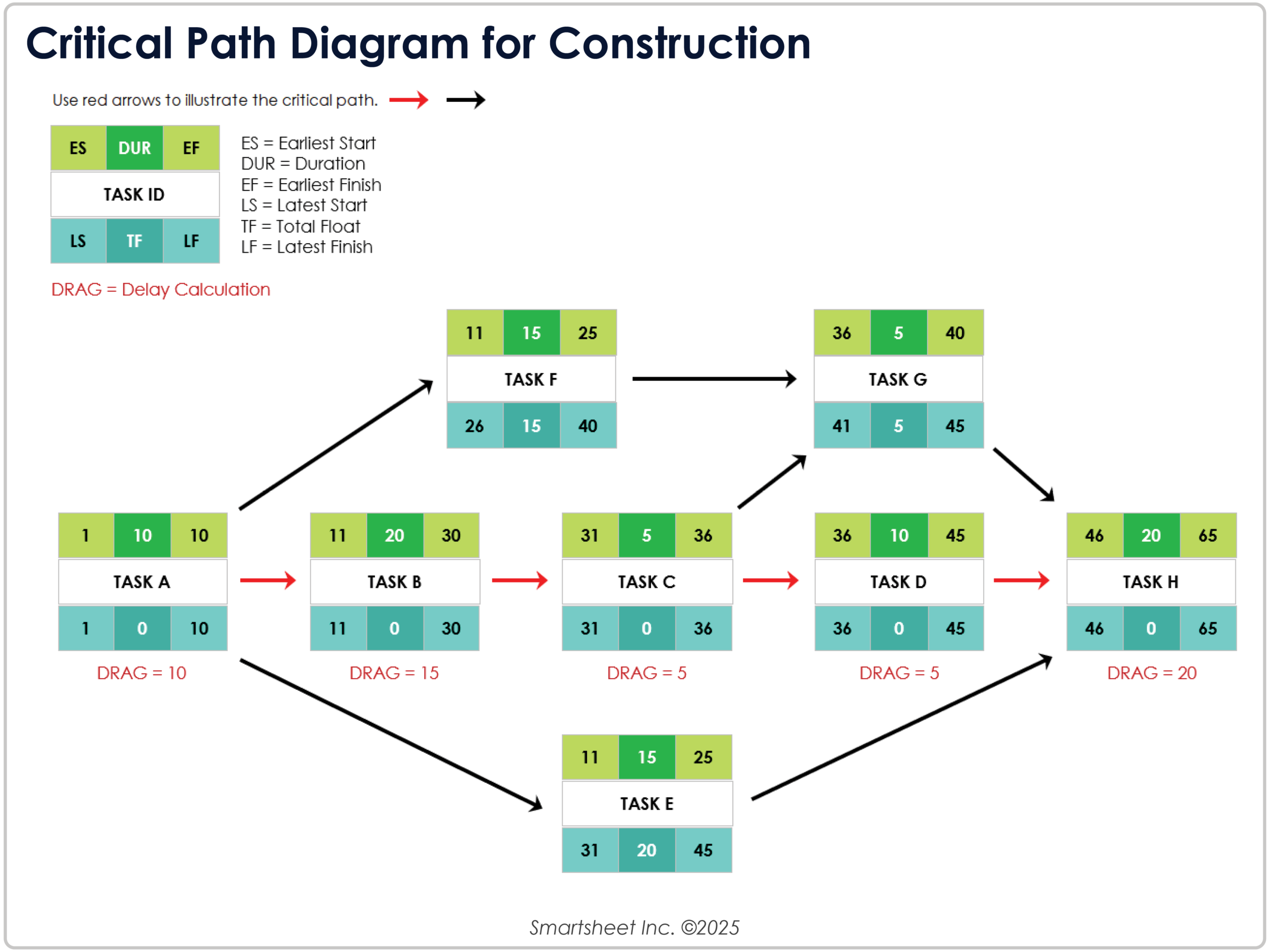
Gantt charts remain the gold standard for visualizing project timelines. They help project managers identify critical paths and potential bottlenecks before they become problems.
Budget Tracking and Financial Management
Construction projects live and die by their budgets. Your software should provide comprehensive financial management capabilities including:
- Real-time budget vs. actual tracking
- Change order management
- Invoice processing and approval workflows
- Cost forecasting and trend analysis
- Subcontractor billing management
Document Control
Construction projects generate enormous amounts of documentation. From blueprints and specifications to contracts and submittals, keeping everyone on the same page requires sophisticated document control.
Look for software with version control, audit trails, and granular permission settings. The right document management system ensures the right people access the right files at the right time.
Types of Construction Project Management Software
General Contractor Solutions
General contractors typically need comprehensive solutions that handle everything from pre-construction to closeout. These platforms offer end-to-end project management with modules for estimating, scheduling, field communication, and financial management.
Popular options in this category include Procore, Buildertrend, and CoConstruct. These platforms serve medium to large construction companies managing multiple concurrent projects.
Specialty Contractor Software
Specialty contractors often benefit from leaner solutions tailored to their specific trades. Electrical, plumbing, HVAC, and specialty fabricators have unique workflow requirements that general-purpose software may not address optimally.
Residential Construction Software
Home builders and remodelers have distinct needs, particularly around client communication and customization management. Residential-specific software helps builders manage client selections, change orders, and communication throughout the building process.
Evaluating Software Costs
Construction project management software pricing varies widely. Heres what typically factors into the cost:
Per-User vs. Per-Project Pricing
Most solutions charge either per user or per project. Per-user pricing works well for companies with many users per project. Per-project pricing benefits companies with many concurrent projects but fewer users per project.
Calculate your expected usage to determine which model makes more financial sense for your business.
Implementation and Training
Beyond subscription costs, consider implementation fees and training expenses. Some vendors include these services in their pricing; others charge separately. Factor in the time your team needs to learn the system productively.
Integration Costs
Your new software likely needs to integrate with existing accounting systems, CRM platforms, or other tools. API access and integration development can add significant costs, so clarify these requirements upfront.
Making Your Decision
Selecting construction project management software is a significant decision that impacts your entire operation. Take these steps to ensure you make the right choice:
- Define your requirements – Create a detailed list of must-have features vs. nice-to-have capabilities.
- Involve key stakeholders – Include project managers, field supervisors, and accounting staff in the evaluation process.
- Request demonstrations – See each software in action with scenarios relevant to your business.
- Check references – Talk to similar companies already using the software.
- Test drive – Take advantage of free trials to experience the daily workflow.
Conclusion
The right construction project management software transforms how you operate. It reduces administrative burden, improves communication, and provides the visibility needed to deliver projects on time and on budget.
Invest the time to evaluate your options carefully. The right choice will pay dividends for years to come through improved efficiency, better client relationships, and increased profitability.